I just returned from a beautiful retreat with a team I am supporting through a sunset process. At one point during one of our lively and delicious dinners, one of the team members asked me how their team compared to others I’ve worked with. This is a question I get frequently. I think of it as the “Doc, Am I OK?” question.
If an organization or project seems like they are struggling, I will name the challenges but I never tell people they are abnormal or bad. I will tell them some of my general rules of thumb:
- good endings tend to have long runways
- healthy teams tend to have tearful, loving healthy endings — the process strengthens rather than weakens their bonds
- every Wind Down is different and unique
Not only is every organization distinct but every team member has their own feelings about what it means for it to end. As such, I discourage people from trying to rank themselves against any shutdown they’ve seen it the past or even anyone else on their team. While good wind downs are a team sport, they are also an inside job. If you feel good about it, then trust that feeling and share it. It just might be infectious!
Here are the links:
1) LGBTQ support organization enters managed wind down
Formed in the 1980s, London-based Metro is one of the UK’s longest-running LGBTQ+ charities. The group has worked with anyone experiencing issues related to sexuality, identity, gender and diversity to provide support with sexual and reproductive health. More than 60 employees will lose their jobs in the sunset.
2) Jobs program for disabled wraps up due to discrepancy
For nearly 75 years, Sunshine Services has advocated for the well-being of adults and children with disabilities in Tennessee. Earlier this year, they announced that they would be ending their vocational training program Sunshine Industries. According to the group, the US Department of Labor reached out to advise them they were out of compliance on wages, and despite their efforts to rectify the issue it proved too late to save the program. They were, however, able to launch a $25,000 transition fund to support the 24 workers who lost their jobs in the affair.
3) Enrollment plunges, a college falters
Since the COVID pandemic, the student body at Massachusetts’s Laboure’ College of Healthcare has more than halved, plunging the school into financial peril and ultimately a closure. While the school is going out of business, its nursing program will live on at nearby Curry College. This marks at least the 4th university announcement of the year.
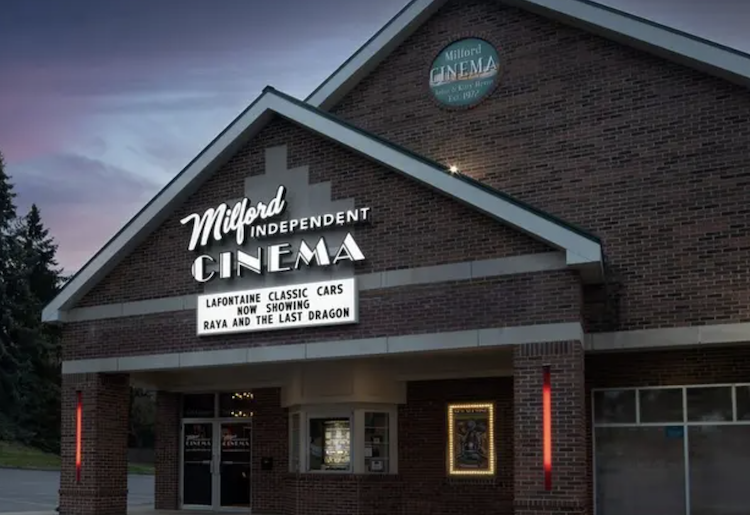
4) Screen dims at beloved indie film theater
After 54 years of lifting up Michigan-made independent cinema, the Milford Cinema in Oakland County has shuttered. Despite needing only $70,000 a year to operate, the group attributed the shutdown to financial issues and an overall shift in the industry.
5) ‘Crisis’: The fallout from Trump’s surprise plan to close Kennedy Center
“Orchestras are not like buildings. You can’t simply close them down for two years and expect that you can open them up again. They’re living organisms in a way.”
The Washington Post outlines how the Wrecking Ball Regime continues to blaze its path of misery and destruction. This time with a surprise announcement that critical arts infrastructure is going to be taken offline for (as usual) no good reason.
6) Closing a Business Responsibly: How to end well
“A few weeks ago, I published this LinkedIn post announcing that my business partner and I were closing our B Corp certified agency, avery + brown, after 5.5 years. We were still profitable. We still had work coming in (and still do). But the market had shifted, the model wasn’t working the way it once had and, honestly, it just wasn’t fun anymore.”
Thanks to everyone who tagged me on this great LinkedIn post nut Russ Avery, who reflects on shutting down a profitable B Corp agency. I love that he calls at the lack of fun as a reason. Fun matters!
7) How Dissolving Your Nonprofit Can Strengthen The Sector
“Nonprofit organizations need a two-way partnership rooted in transparency, where capacity building support, strategic planning, board development, executive coaching, and legal counsel all provide support to organizations throughout the life cycle and especially during difficult times. It is a partnership from the grant award through the end of the grant period.
Leaders must be able to speak openly about their experiences. Without honest and transparent communication, more nonprofit organizations will struggle and possibly close. Funders who want to strengthen the field must also be willing to show up after the crisis, not just before it.”
Traci Lester made the tough decision to sunset her organization, The Opportunity Agenda, last year. Despite a huge grant from Mackenzie Scott, the group still struggled to find sufficient operational funds. She is using her experience to argue for more support and transparency.
8) Joe Macleod – Warmth of the Setting Sun: Belief and Identity in Digital Life (NEXT Conference)
“Marketing is the only human made narrative structure where nobody cares about the end”
A great little talk by my pal Joe Macleod, the king of ENDS.
Leave a Reply